



Surprise! Apple unveiled its first foldable phone â the iPhone Duo â at its big September event last week. The fact that we knew for months (if not years) it was coming made the âSurpriseâ in Appleâs âSurprise and Shineâ tagline feel slightly unnecessary, but there we go.
And yes, despite the cat being so far out of the bag that it had run down the street and disappeared over the horizon, I still felt a pang of excitement at the Duo’s official unveiling, of the kind I havenât felt for an iPhone reveal in many years. This was a big announcement, and one that I think Apple really nailed.
Yet thereâs one thing stopping me from smashing the proverbial piggy bank and throwing wads of money at Apple like Fry from Futurama. And itâs made me wonder who exactly is going to buy the iPhone Duo once it lands this October.
A flawed first attempt
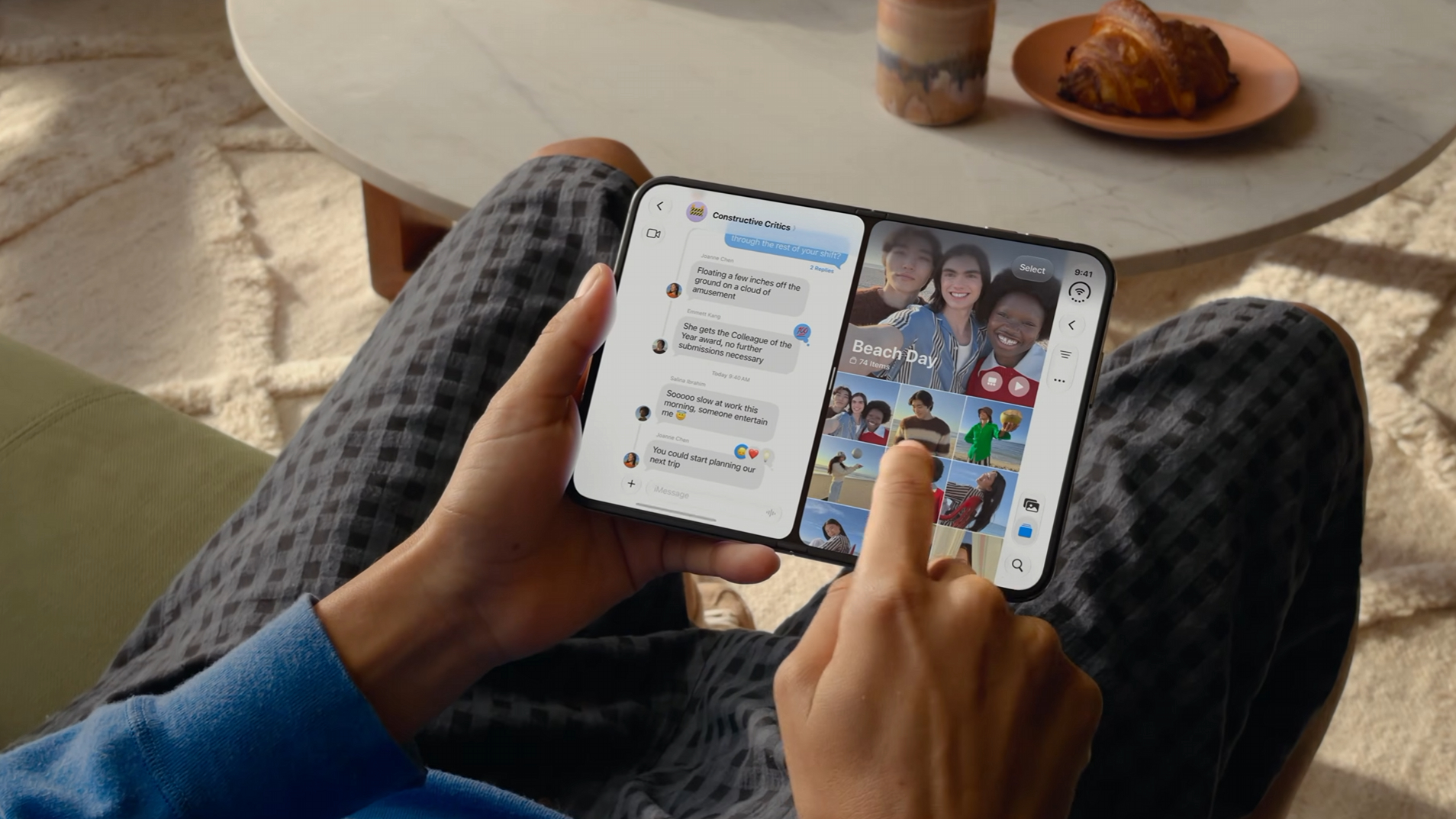
As exciting as it is, the iPhone Duo is clearly a device for early adopters. Like the iPhone Air before it, itâs an exciting yet compromised device that lacks many of the features found on more affordable models.
You only get two cameras versus the three on the iPhone 18 Pro, for example, despite that device costing almost half the price of the iPhone Duo. Thereâs no Action button, either, nor Face ID, with Touch ID making a somewhat anachronistic comeback and offering a weaker seal on your device than Appleâs facial recognition tech â a bizarre step for a company as obsessed with user security as Apple.
Of course, those Apple fans who do end up buying the iPhone Duo will clearly be willing to see past these drawbacks and, ultimately, be more concerned with the experience of using the device â and Apple has always excelled at making its products seem fun and stylish to use.
Remember the original iPhone? It came without video recording, without 3G connectivity, without third-party apps, and with subpar battery life. Yet none of that stopped it from completely revolutionizing the smartphone industry, with Appleâs rivals quickly realizing they could never go back to the old way of doing things. The iPhone Duo has the potential to do the same thing.
But being an early adopter doesnât only mean you have to accept missing features that might, eventually, one day arrive â you also have to stump up more cash. And at $1,999 / £1,999 / AU$3,499, the iPhone Duo is easily Appleâs most expensive iPhone ever.
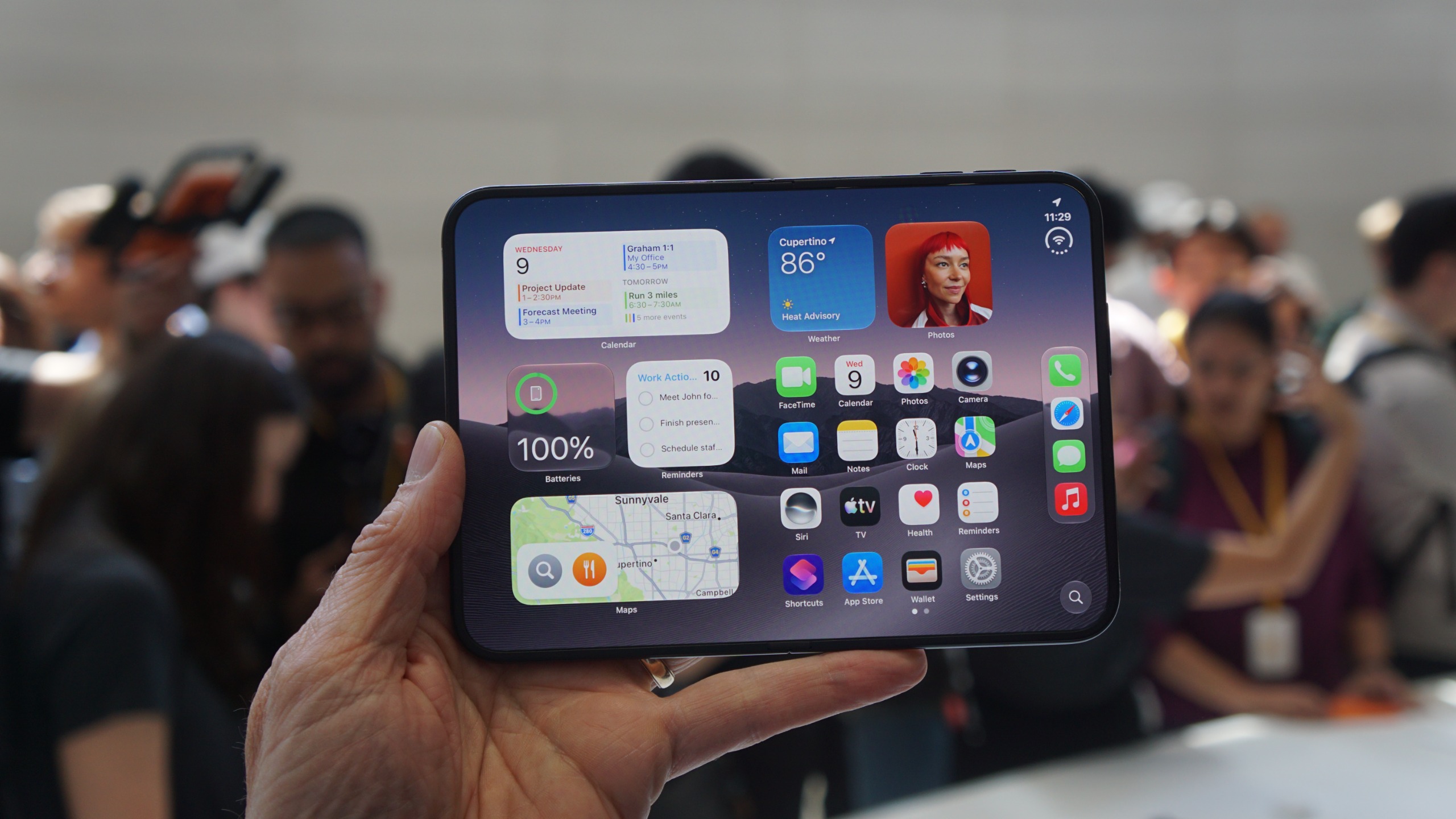
Now look, I can understand that a foldable phone is going to cost more than its non-foldable siblings. After all, youâre essentially getting three times the displays of the iPhone 18 Pro, special software features that arenât available anywhere else, and a completely different user experience than is currently offered by the rest of the iPhone range.
The Duo was never going to be cheap. And considering the pre-event rumors suggesting it could start at as much as $2,500, the final $1,999 / £1,999 / AU$3,499 price is, strangely, something of a relief.
But the iPhone Duo has made me contemplate one point in particular: who actually needs a foldable phone? Appleâs competitors have been making them for years (to varying degrees of success and quality), but in all that time, Iâve only ever seen one in the wild. Iâve never even been tempted to try one myself before the iPhone Duo came along.
Far from the revolution we were promised at the dawn of the foldable era, what weâve seen in actuality has been something of a damp squib â and thatâs not exactly auspicious for Appleâs first crack at the market.
Whoâs going to buy it?
Donât get me wrong: Iâm extremely excited for the iPhone Duo. I havenât felt the need to rush down to the Apple Store to try the latest iPhones like this for years. Usually, Iâm happy to wait and go whenever it’s convenient to do so. Now, though, I want to be there yesterday.
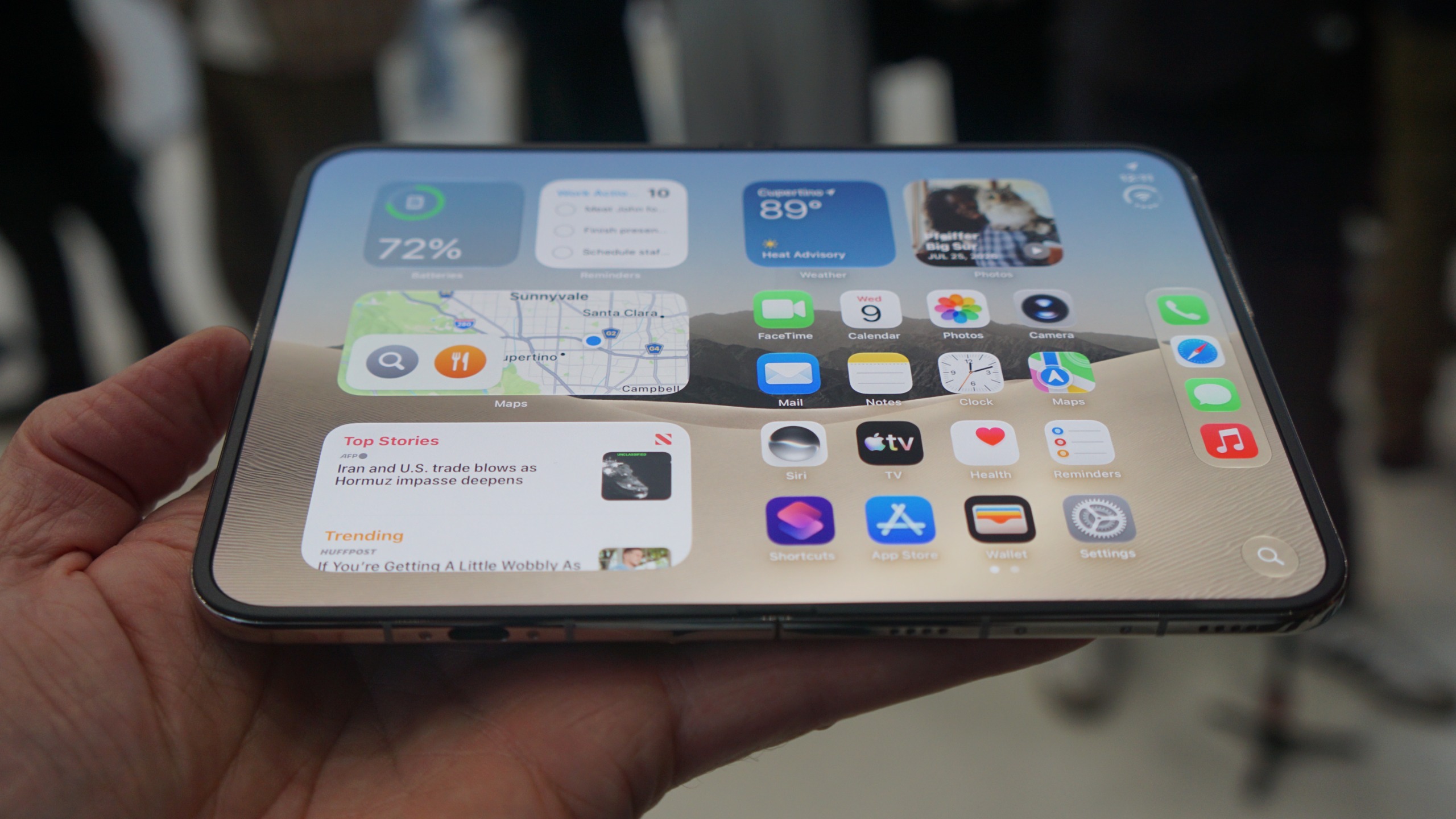
Thereâs a lot I love about the Duo, from the thoughtful passport design to the way Apple has cleverly minimized (but, alas, not totally hidden) the crease. What entices me most is the way the software adapts to whatever youâre doing with the hardware. This isnât just an operating system that’s been crammed into a new and awkward form factor. Itâs obvious that Apple has tried hard to make sure that iOS not only works on the iPhone Duo, but does so in captivating ways.
To my mind, itâs a device that many people will want to try, but that few will actually buy.
But none of this excitement and intrigue outweighs my reluctance to fork out two grand for the privilege of owning the Duo. Thatâs a huge amount of money to pay for a phone, especially one thatâs missing key features to the extent that the iPhone Duo is.
If someone like me â an Apple fan who has been buying iPhones since the days of the iPhone 3GS â canât be moved to actually buy an iPhone Duo, who can? Certainly not your everyday punters. This is not a phone thatâs going to sell in the same ballpark as the regular iPhone 18 (whenever it eventually arrives).
To my mind, itâs a device that many people will want to try, but that few will actually buy. Much like the Vision Pro, itâs Appleâs first attempt in a new category, and people are right to be cautious of that.
But Iâm hoping that, unlike the Vision Pro, Apple doesnât fumble it this time. Itâs clear that the company has swallowed much of the cost increases caused by the global RAM crisis â the Duo could easily have cost far more than $1,999 / £1,999 / AU$3,499, as the early rumors implied.
Now Apple needs to make sure the iPhone Duo can pull off the same winning formula as the original iPhone â and not that of the Vision Pro. I hope it can, because as much as Iâve balked at its sky-high price, I donât remember the last time I was this enamored with a shiny new iPhone.